Venetian plaster has outlived every trend it has ever been contemporary with. There is a reason for that.
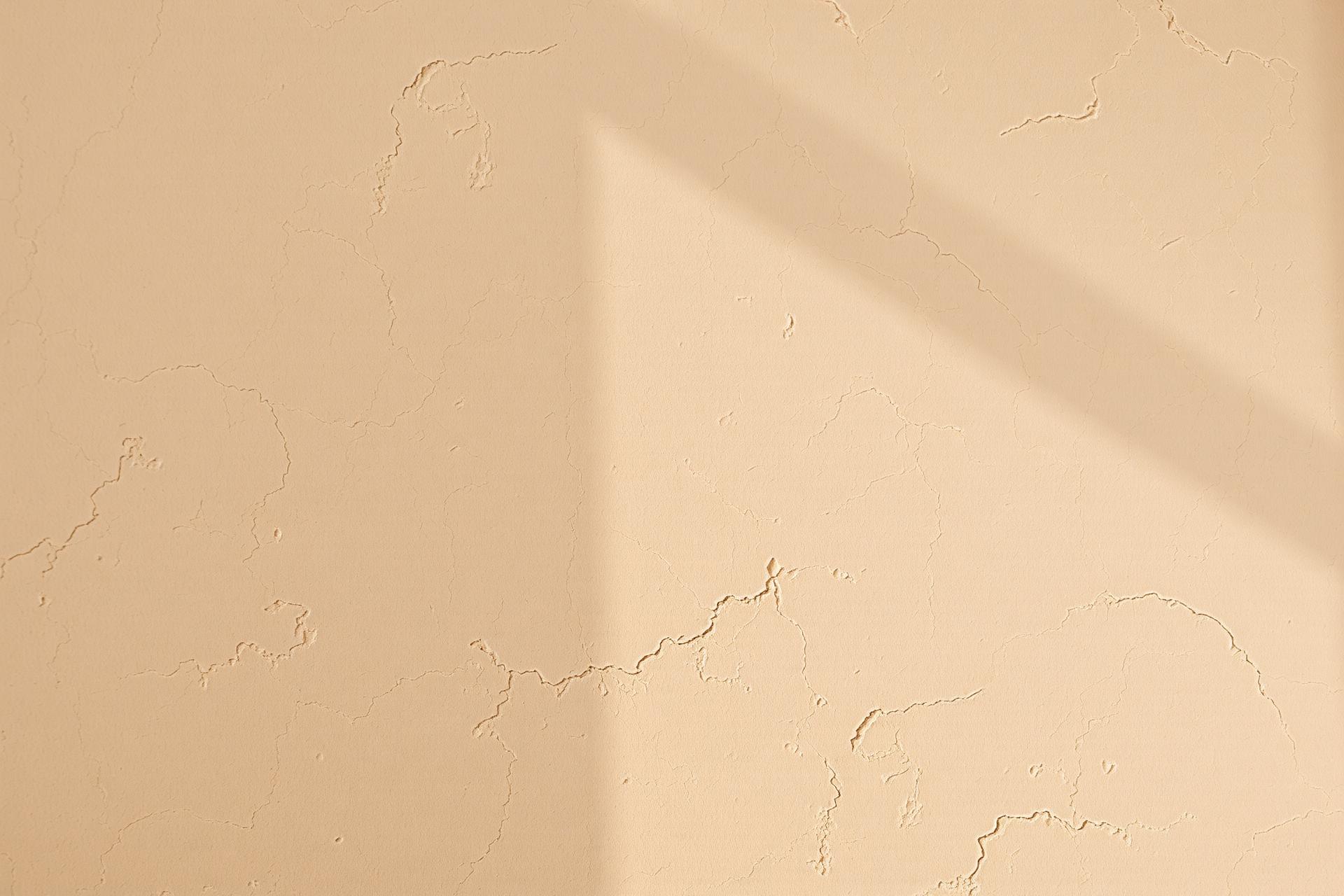
Slaked lime, marble dust, mineral pigment. Three ingredients, refined in Venice five centuries ago, still mixed by hand in our studio today. The recipe has barely moved because it has not needed to.
What changes is the hand. A polished Stucco Veneziano and a matte Marmorino share the same bucket of material — the difference is entirely in how many passes of the trowel, at what angle, under what pressure, over how many hours.
Why it belongs in a contemporary interior
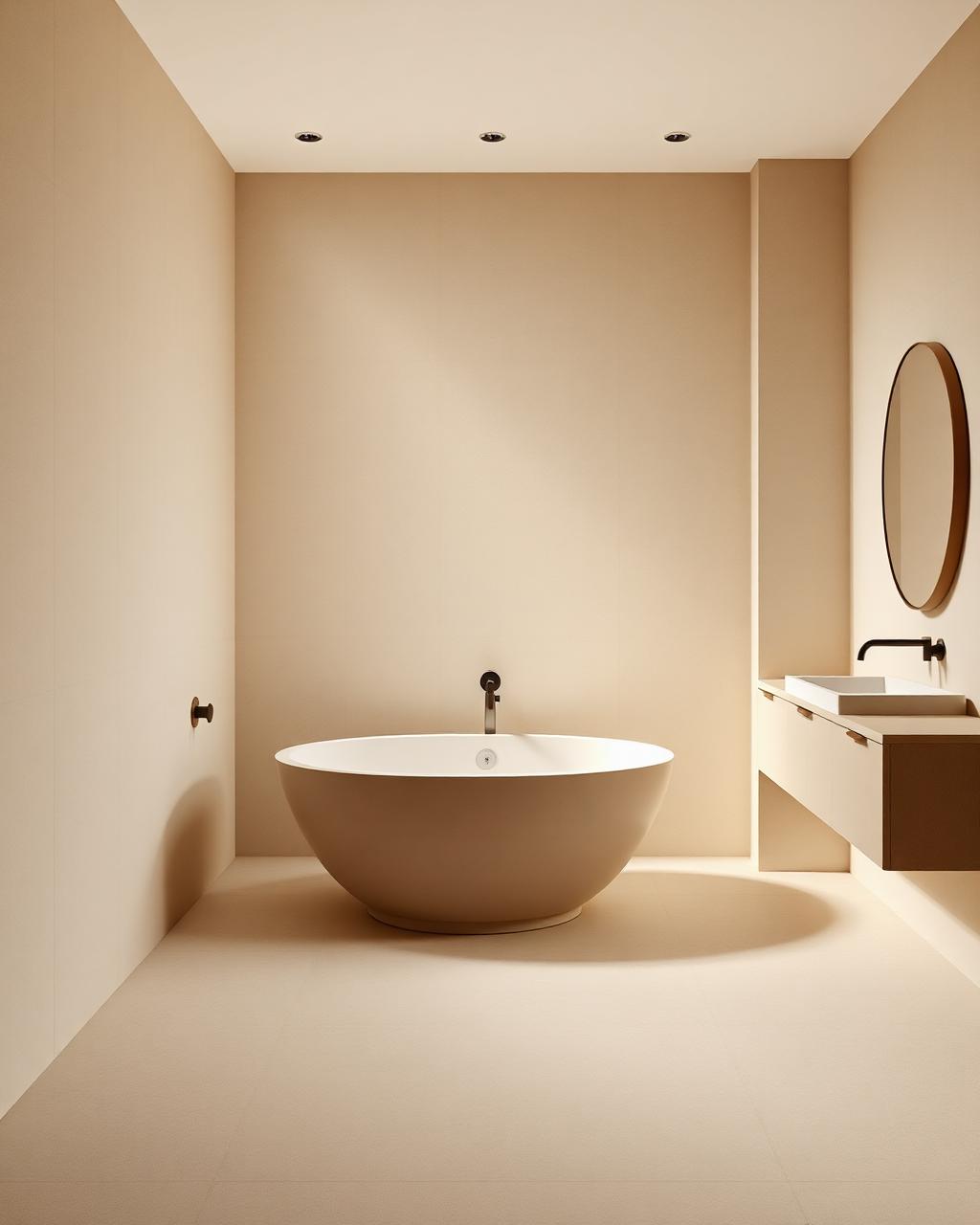
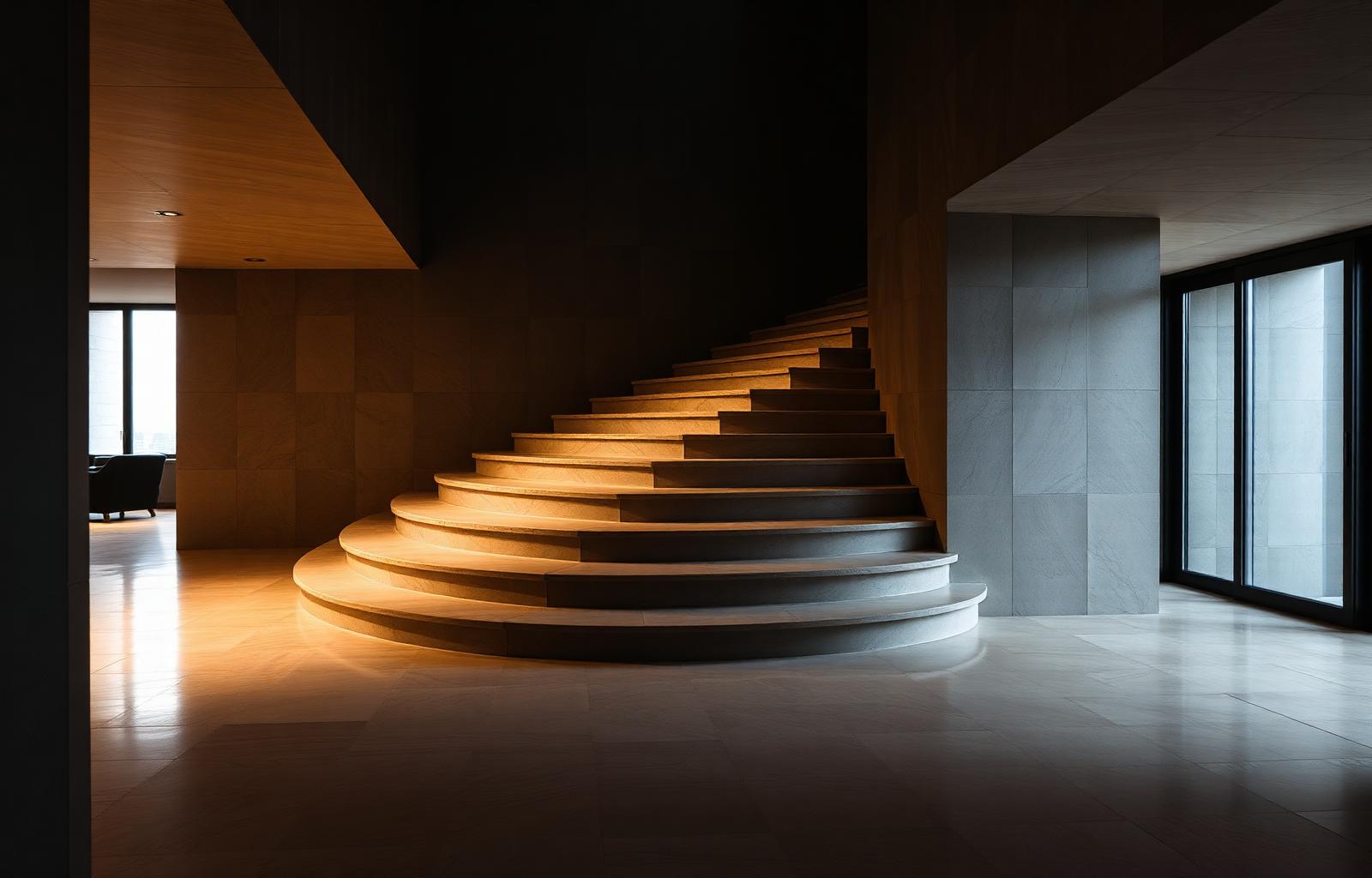
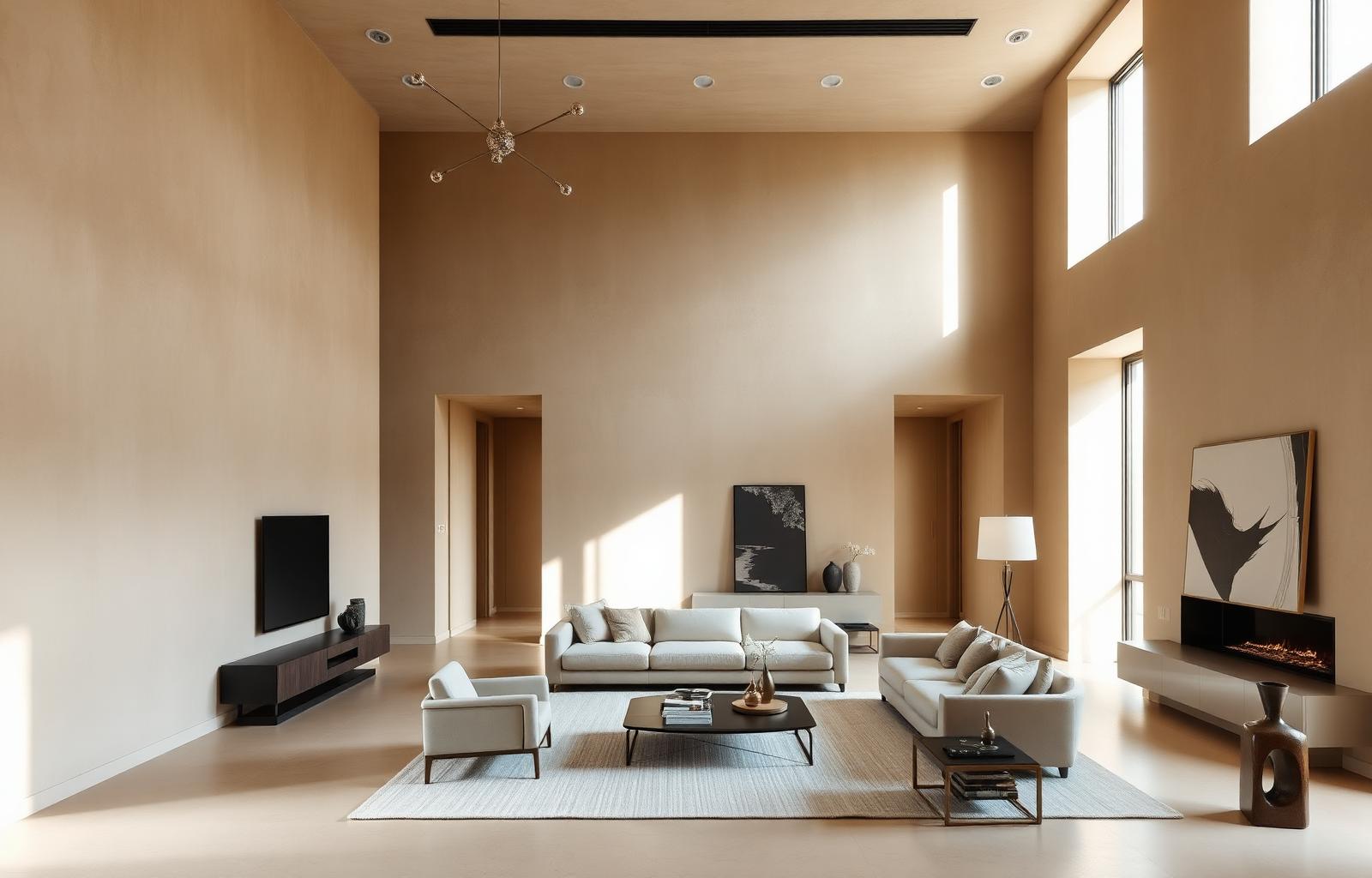
Modern architecture asks for large, uninterrupted planes. Venetian plaster answers that better than paint, better than wallpaper, and with a depth of light that neither can approach. It reads as one continuous mineral surface — because it is one.
A Venetian plaster wall is not decorated. It is built, layer by layer, until it holds light the way stone does.
Specified carefully, it belongs equally in a nineteenth-century terrace and a minimalist new build. The material is quiet enough to disappear into either.